
What counts as semi-commercial?
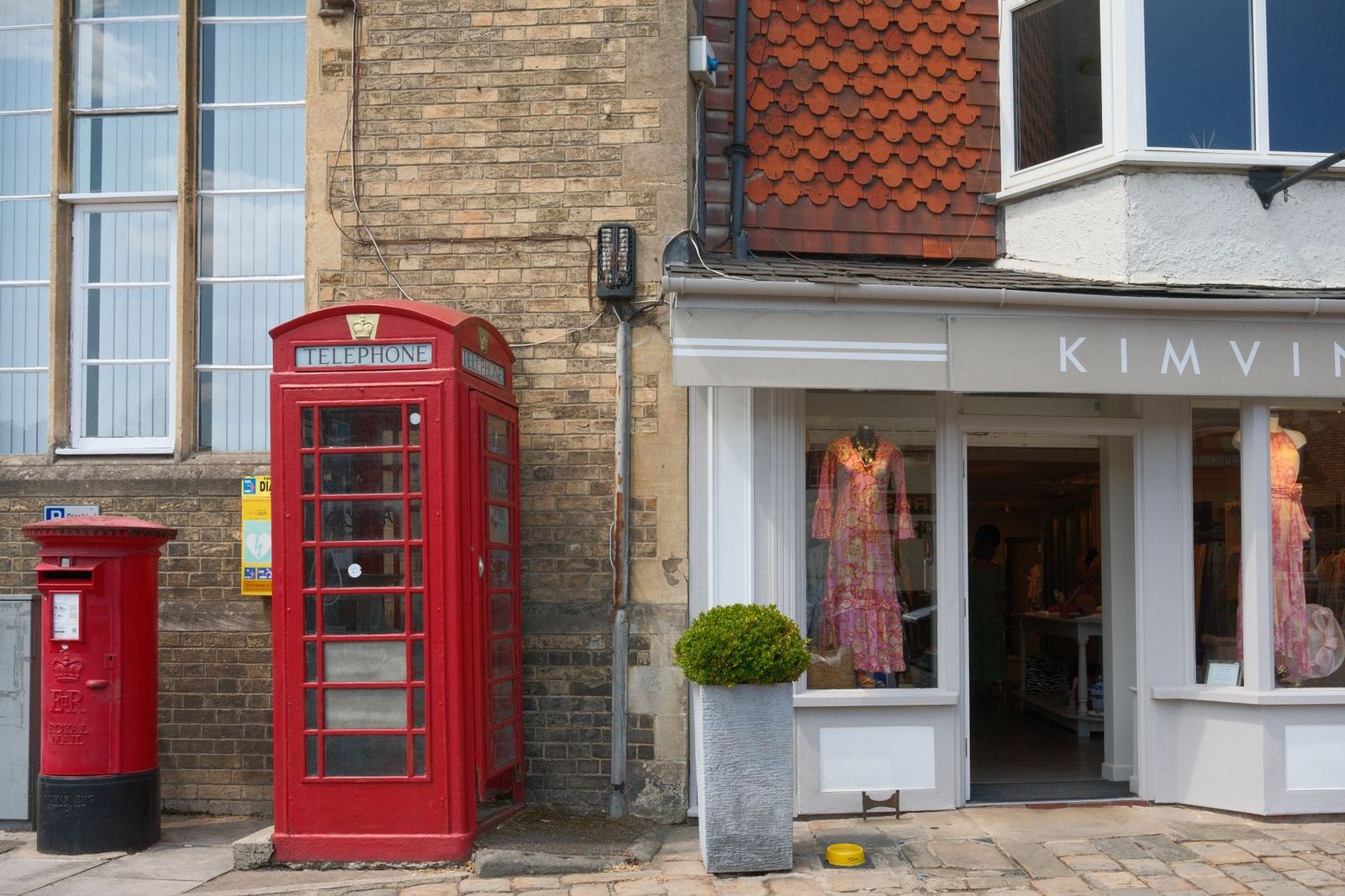
A semi-commercial (or mixed-use) property is one that combines commercial and residential space on a single title. The classics are everywhere on every British high street: a shop with a flat above it, a café with two flats upstairs, an office building with residential upper parts, a takeaway with a maisonette behind. If part of the building earns commercial rent and part of it houses people, you’re in semi-commercial territory.
These buildings are often excellent value. Plenty of residential investors won’t touch them and plenty of pure commercial investors aren’t interested in the flats, which thins the competition and can leave attractive yields for the landlord willing to hold both.
Why they fall outside normal buy to let
A standard buy to let lender wants a house or flat let on an AST, full stop. The moment there’s a commercial element on the title, the property drops off mainstream criteria and into commercial-style underwriting. That means the case is assessed by a human underwriter rather than an automated scorecard: they’ll look at the strength of the commercial lease, the quality of the tenant, the split between commercial and residential income, and the resale market for that kind of building.
It’s slower and more paperwork-heavy than a vanilla buy to let, but it’s far from impossible. It just needs the case packaged properly and sent to a lender that genuinely wants mixed-use. That’s the job I do.
The stamp duty angle
Here’s the part that surprises many landlords. In England, a mixed-use property is generally charged at non-residential SDLT rates and, importantly, it typically escapes the 5% additional-dwellings surcharge that applies when a landlord buys another residential property. On the right purchase, the stamp duty difference between a mixed-use building and a comparable residential one can run to tens of thousands of pounds.
A necessary caveat: whether a property genuinely qualifies as mixed-use for SDLT is a tax question, not a mortgage one, and HMRC does challenge marginal cases. I’m a mortgage adviser, not a tax adviser, so please confirm the SDLT treatment with a qualified tax adviser or your solicitor before you rely on it in your numbers.
Valuations, leases and tenants
With mixed-use property, the lender is really underwriting three things at once:
- The commercial lease: how long is left on it, whether there are break clauses, and what happens to your income if the tenant walks at the next break.
- The tenant covenant: a national retailer on a ten-year lease reads very differently from a start-up barber on a twelve-month agreement. Both are financeable; they just land with different lenders at different terms.
- The residential element: the flats above, usually let on ordinary ASTs, which give the lender comfort that income keeps flowing even if the shop sits empty for a spell.
The valuation will typically be an investment valuation reflecting both income streams, and the residential-to-commercial split matters: a building that’s mostly residential by floor area and income generally attracts more lenders and keener pricing than one dominated by the commercial part.
Deposits and typical terms
Expect to put down more than on a standard buy to let: deposits typically run at 25-35% depending on the lender, the tenant strength and the property itself. Rates sit above mainstream buy to let but below pure commercial in many cases, and both interest-only and repayment structures are available. Buying through a limited company is common here too, and works much the same way as I describe on my limited company buy to let page.
Splitting the titles later
Some investors buy a mixed-use building intending to split it: separate leasehold titles for the flats, keeping or selling the commercial unit below. Done well, the parts can be worth more than the whole. But, as with multi unit blocks, your lender must be in the picture, because creating new leases out of their security needs consent. If splitting is your plan, tell me at the start and I’ll place the loan with a lender that will support it rather than block it.
Owner-occupier vs investment
One last distinction. Everything above assumes you’re buying as an investor, letting both parts out. If you plan to run your own business from the shop and let (or live in) the flat above, you’re into owner-occupier territory, where lenders assess your business’s accounts rather than just the rent, and if you’d live in the flat yourself, parts of the loan may become regulated. It’s a different lender panel and a different conversation, and one I cover on my commercial finance page.
What I’ll do for you
Review the building and its leases before you offer, weigh the commercial-to-residential split against real lender appetite, package the case for commercial-style underwriting, and manage it through valuation and legals to completion. Initial chat and research: free. Arrangement fee: £495 on completion.